Turning Ordinary Moments into Extraordinary Images
Photography is often described as the art of capturing moments, but great photography begins long before the shutter is pressed. It begins with learning to see.
A camera is only a tool. The real skill lies in training your eyes and your mind to notice things that others might walk past — a shaft of light through a window, the contrast between old and new, a fleeting expression, or the way shadows transform an ordinary scene into something remarkable.
Learning to see like a photographer means developing a different way of looking at the world.
Look Beyond the Obvious
When most people visit a beautiful location, they often take the same photograph: the famous viewpoint, the obvious landmark, the postcard image.
A photographer looks deeper.
Instead of only seeing the mountain, they notice the lone tree in the foreground. Instead of photographing the old building, they notice the peeling paint, the texture of the bricks, or the reflection in a puddle after rain.
The question changes from:
“What can I photograph?”
to:
“What has caught my attention, and why?”
Photography is about finding stories hidden in everyday life.
Train Yourself to Notice Light
The word photography comes from the Greek words phos (light) and graphé (drawing or writing). Photography is literally painting with light.
Light is the foundation of every image.
A photographer learns to notice:
- The warm golden glow just after sunrise
- The dramatic shadows created by a low winter sun
- The soft, flattering light on an overcast day
- The way a beam of sunlight cuts through a dark room
- Reflections and highlights that add depth
The same subject can look completely different depending on the light.
A simple cup of coffee on a table can become an atmospheric still life when illuminated by morning sunlight. An ordinary street can become cinematic when captured under the glow of evening lamps.
Before pressing the shutter, ask:
“Where is the light coming from, and what is it doing?”
Slow Down and Observe
One of the biggest differences between a snapshot and a photograph is time.
A snapshot is often taken quickly — “I was there.”
A photograph says:
“I saw something worth sharing.”
Try slowing down. Spend five minutes looking at a scene before taking a photograph.
Notice:
- Shapes
- Colours
- Patterns
- Textures
- Movement
- Relationships between objects
The more you observe, the more photographs you will discover.
Learn to See Composition Everywhere
Composition is how the elements within your photograph are arranged. It guides the viewer’s eye and helps tell your story.
Some useful things to look for:
Leading Lines
Roads, fences, rivers, paths, and shadows can naturally guide the viewer through an image.
Patterns and Repetition
Rows of windows, bicycles, trees, or even people can create powerful visual rhythm.
Framing
Use doorways, arches, branches, or reflections to frame your subject and add depth.
Negative Space
Sometimes what you leave empty is just as important as what you include.
A lonely figure surrounded by empty landscape can communicate emotion far more strongly than a crowded image.
Photograph the Ordinary
Many photographers believe that interesting photographs only exist in exotic places.
They don’t.
Some of the most memorable images come from everyday life:
- A neighbour gardening
- A child’s forgotten toy
- An old doorway
- Steam rising from a kettle
- A bicycle leaning against a wall
- A familiar street at an unusual time of day
The challenge is to make the ordinary extraordinary.
A photographer sees possibilities everywhere.
Develop Your Photographer’s Mindset
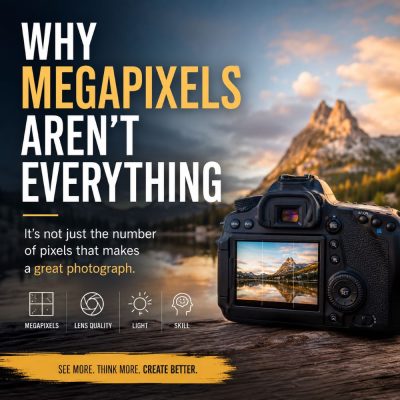
Photography is not just about technical settings like shutter speed, aperture, or ISO. Those are important, but they come after vision.
A photographer develops curiosity.
Ask yourself:
- Why does this scene interest me?
- What emotion does it create?
- What story am I trying to tell?
- What would make someone stop and look?
The best photographs are not always the sharpest or the most technically perfect. They are the ones that make the viewer feel something.
Change Your Perspective
One simple exercise is to change your physical viewpoint.
Don’t always photograph from eye level.
Try:
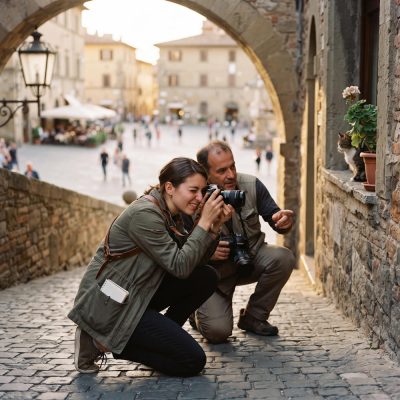
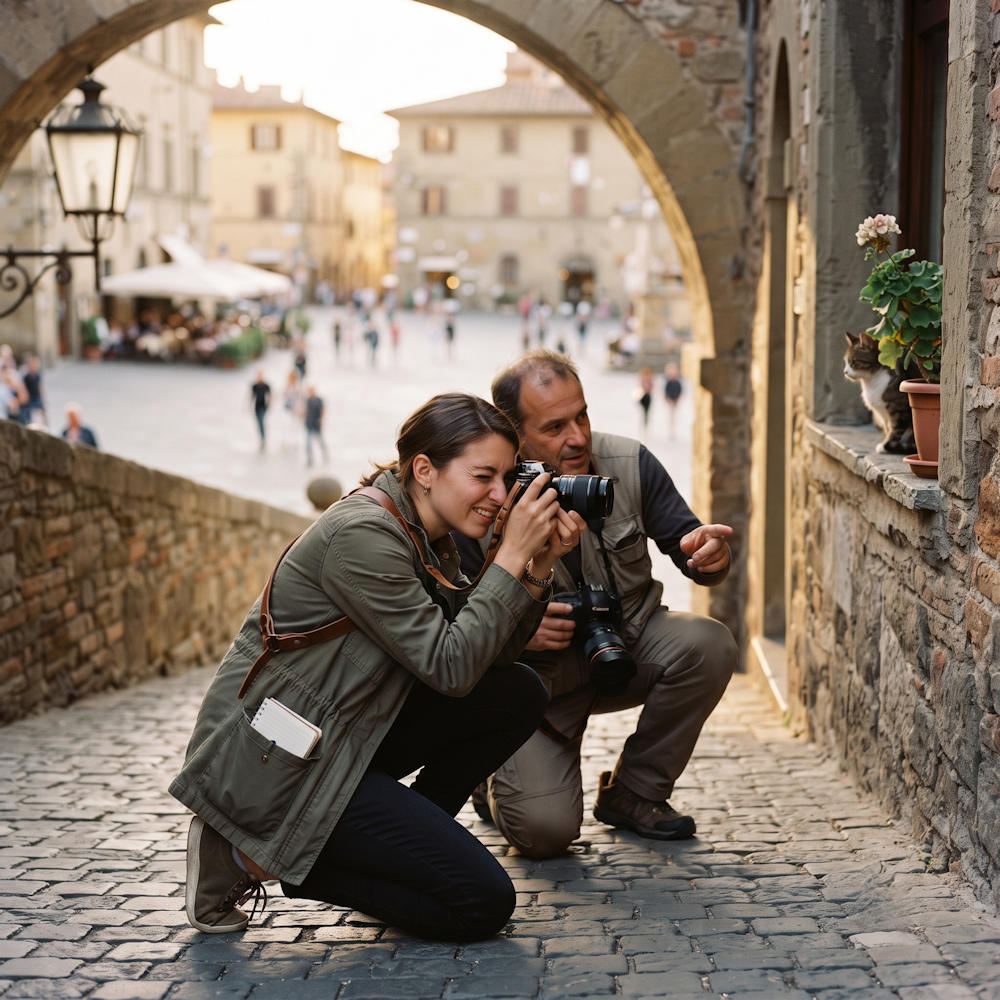
- Getting lower to the ground
- Looking upwards
- Moving closer
- Stepping back
- Photographing through objects
- Using reflections
A small change in position can completely transform an image.
Take Your Camera Everywhere
The more you photograph, the better you become.
Carry your camera or use your phone and challenge yourself:
- Find one interesting photograph every day
- Photograph the same location in different seasons
- Capture the same subject using different lighting
- Create a story with five images
Photography improves through practice, observation, and experimentation.
The Photographer’s Greatest Tool Is Curiosity
The camera records what the photographer sees, but the photographer decides what is worth seeing.
Learning to see like a photographer means becoming more aware of the world around you. It means noticing beauty in places others overlook and finding stories in moments that might otherwise disappear.
The world is full of photographs.
The skill is learning how to find them.
Keep looking. Keep exploring. Keep creating.
DigiBox Camera Club — Inspiring photographers to develop their vision, share their passion, and discover the stories hidden in everyday moments.